
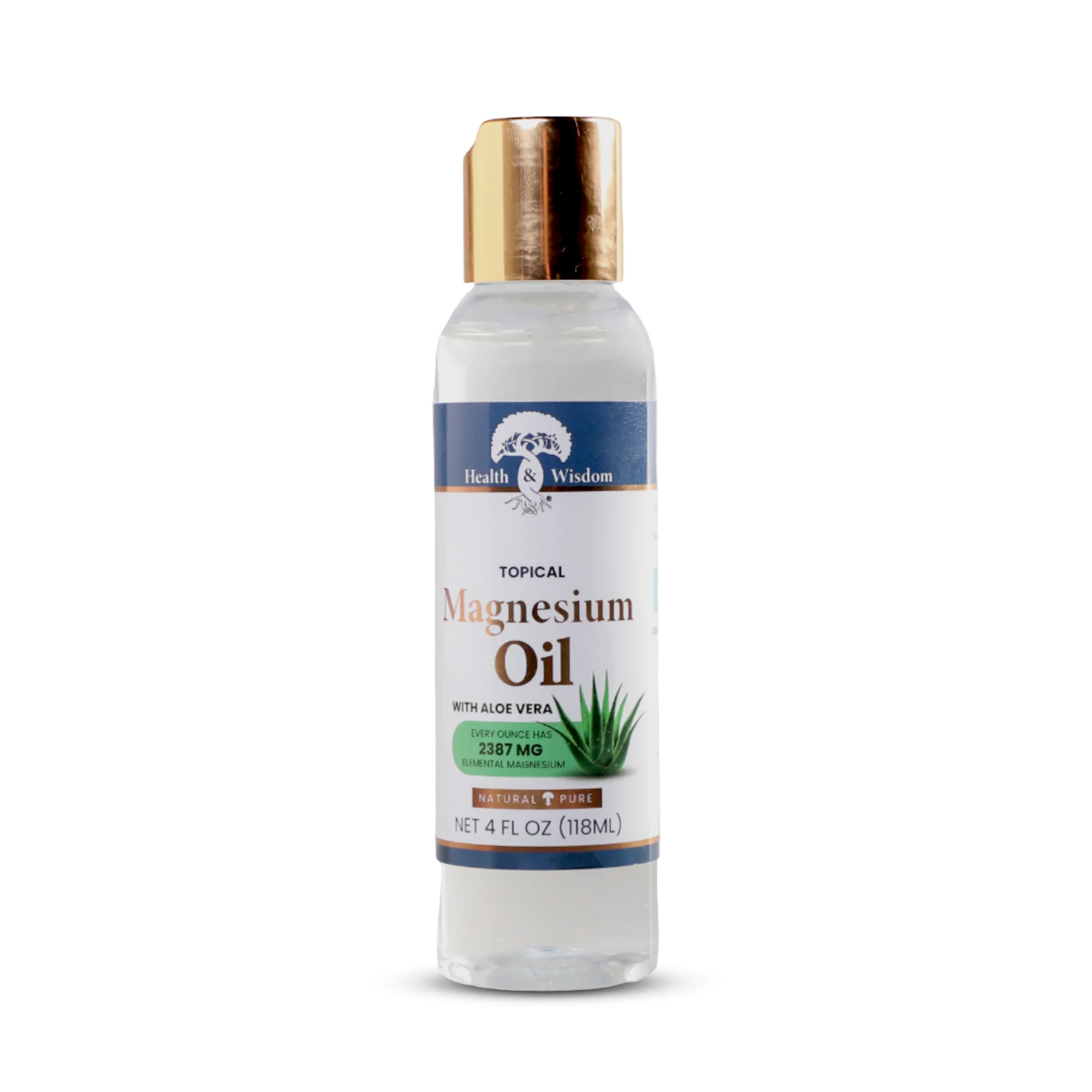
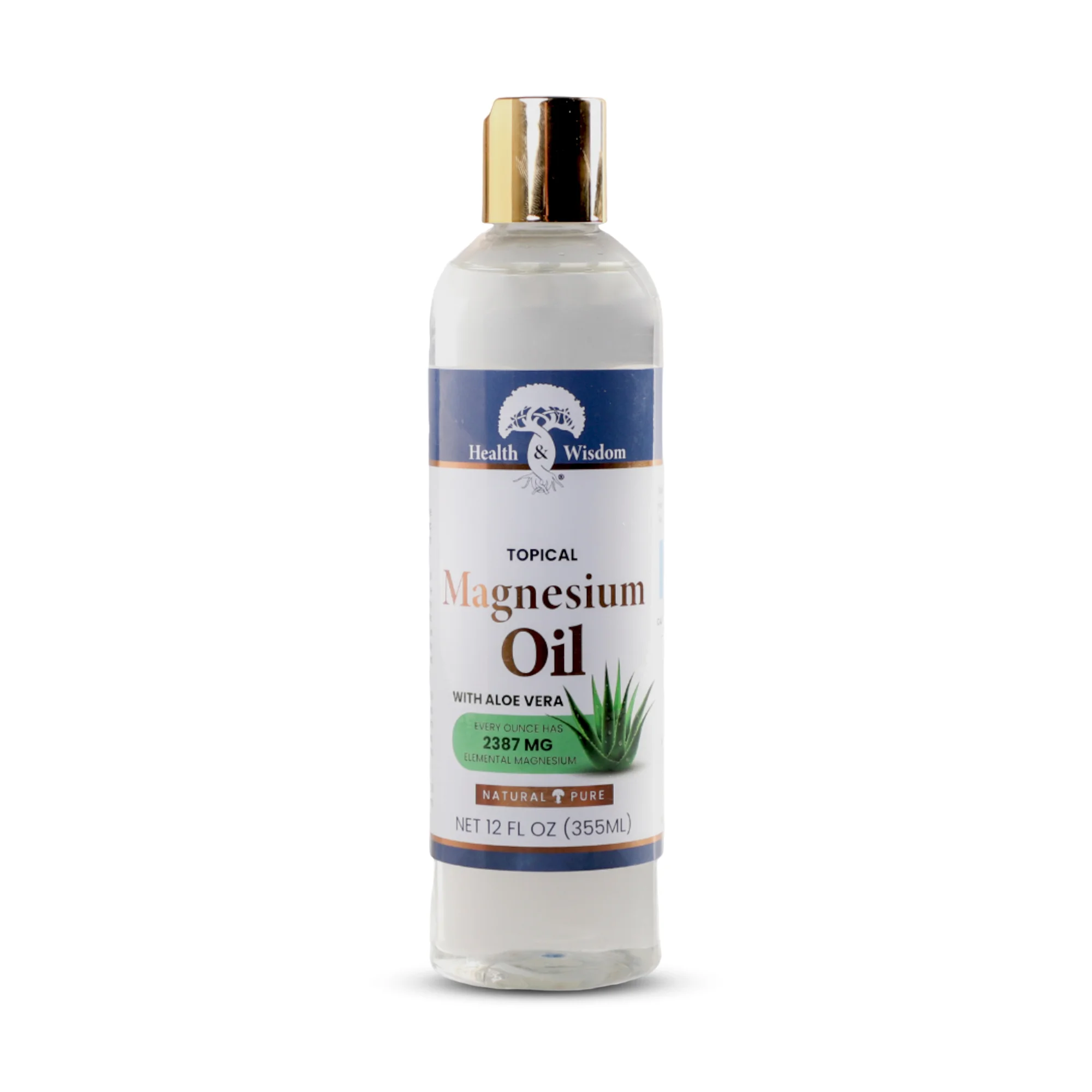




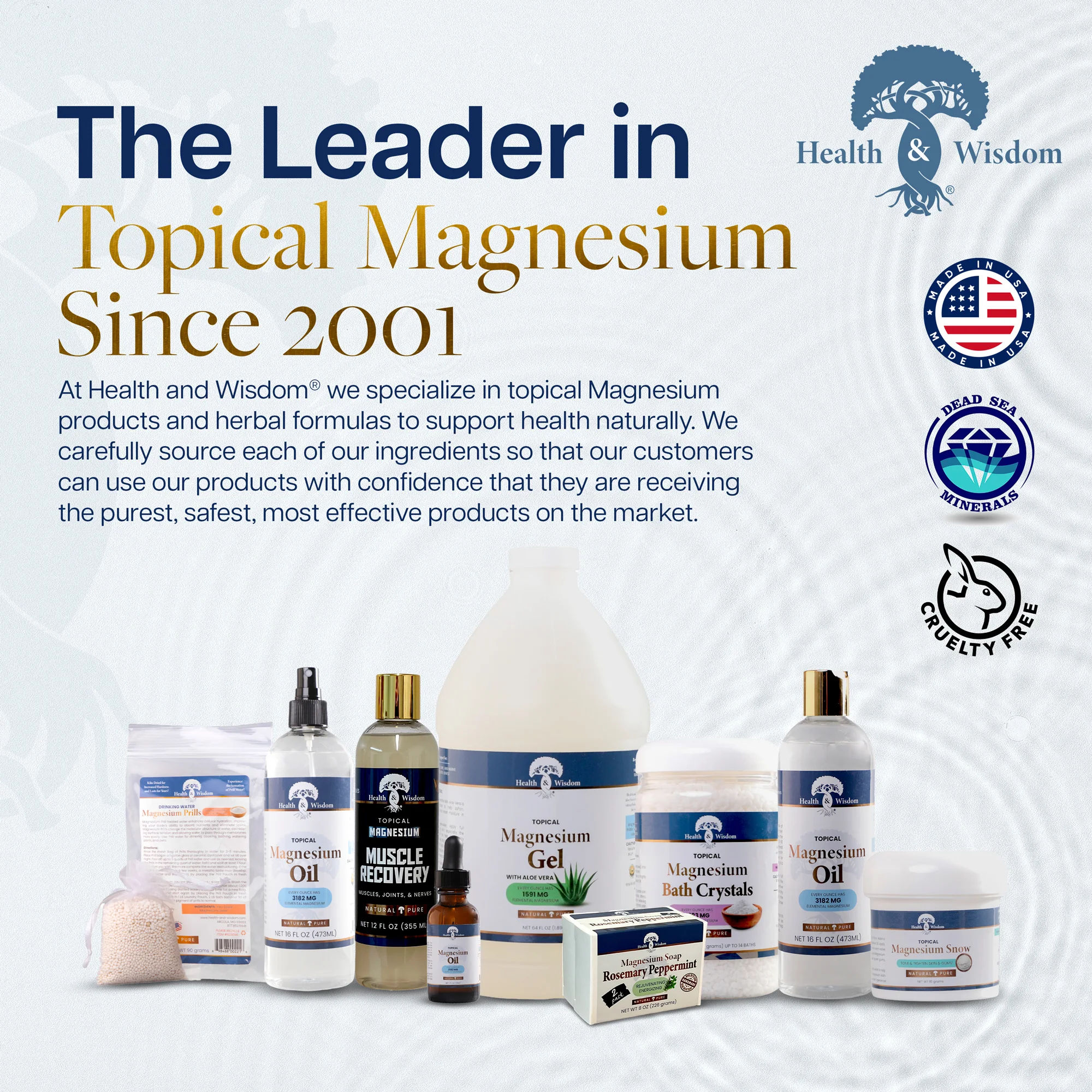







Magnesium Oil USP With Aloe Vera
Price range: $11.95 through $84.99
What Is Magnesium Oil USP with Aloe Vera?
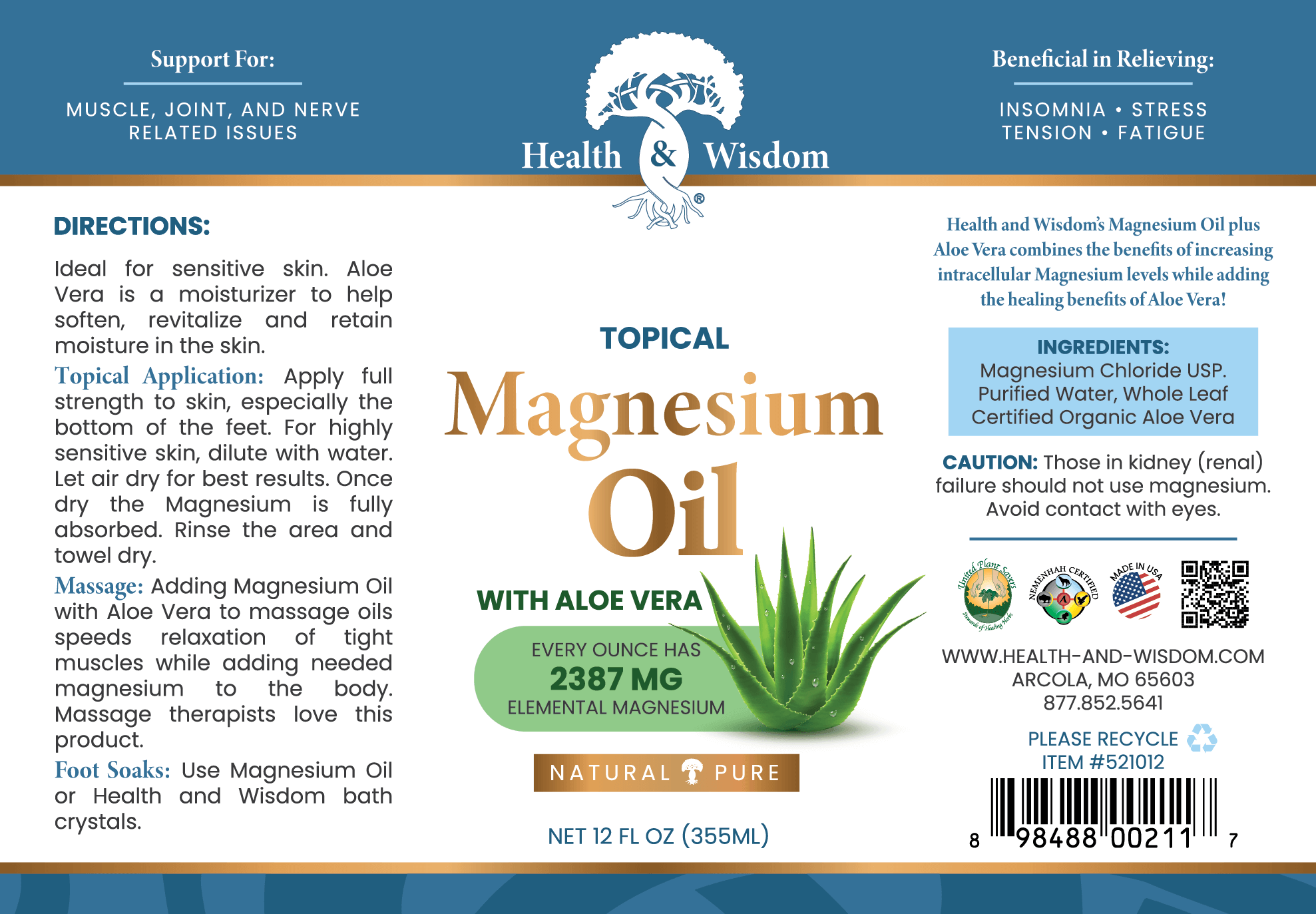
Magnesium Oil USP with Aloe Vera is a topical magnesium chloride solution that’s designed to be absorbed through the skin.The added aloe helps reduce irritation and adds hydration.
- Supports muscle relaxation
- Helps ease tension & cramps
- May improve sleep quality
- Fast-absorbing topical formula
- Aloe vera for sensitive skin
Why Thousands of People are Switching to this Natural Solution
Discover the breakthrough that supports relaxation, helps reduce pain, promotes skin health and more, without harsh chemicals or prescriptions.
Did You Know?
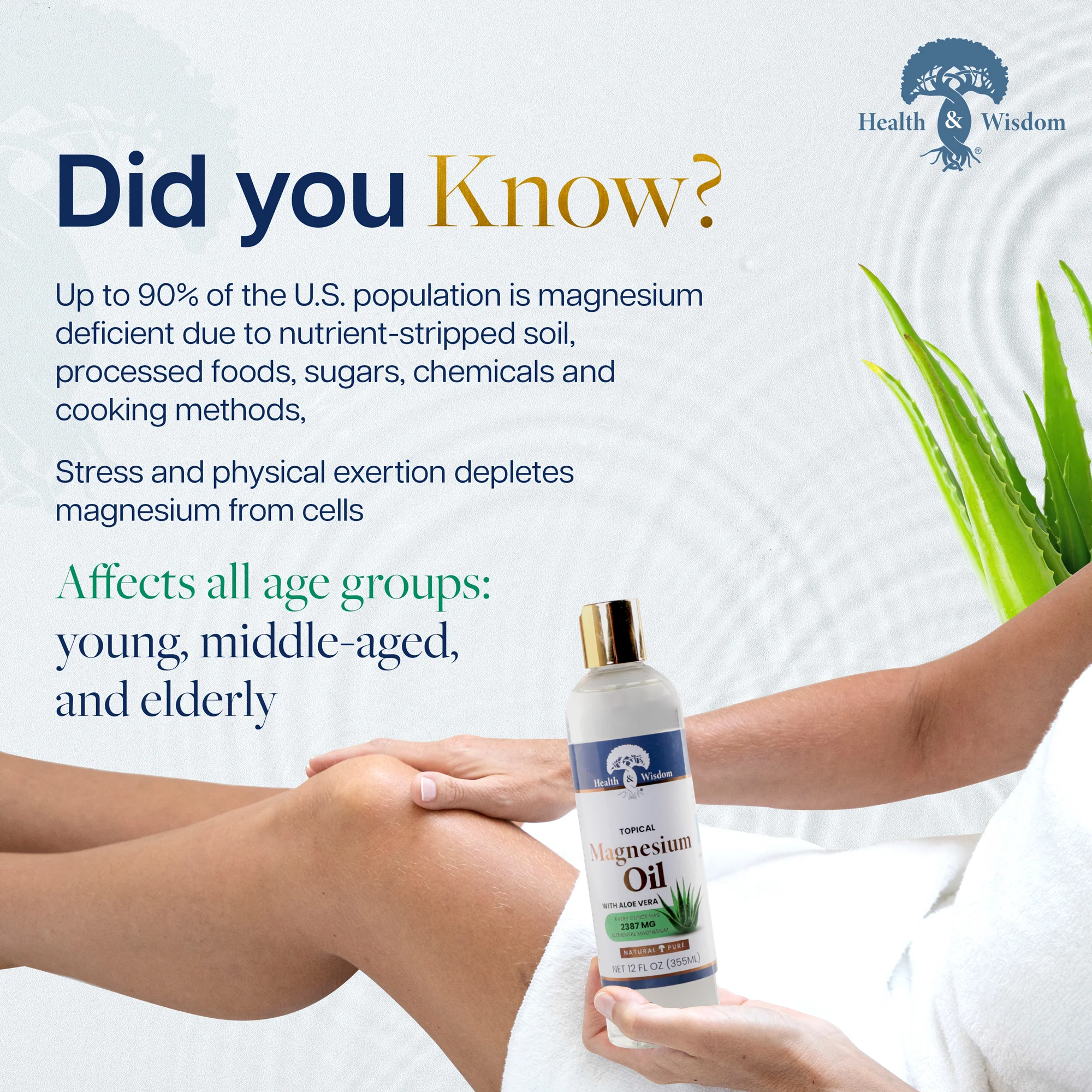
Almost everyone is deficient in magnesium. It’s true. Up to 90% of Americans are magnesium deficient. Modern diets, stress, medications, and depleted soil have quietly eroded our foundational mineral — and most people don’t know it.
Magnesium quietly powers over 300 processes in your body, from muscle contractions to sleep cycles to stress response. When levels drop, the effects show up everywhere, but they’re often mistaken for aging, overwork, or just “how you feel.” No wonder magnesium oil has long been a go-to for whatever life throws your way.
Key Benefits of Magnesium Oil
- Muscle Relaxation and Pain Relief. Relieves muscle cramps, spasms, soreness, and aches. Athletes often use magnesium oil for muscle cramps and recovery. In fact, magnesium oil for leg cramps is a popular choice among athletes.
- Magnesium Oil for Sleep. Helps promote relaxation and deeper sleep by aiding in the production of GABA, a neurotransmitter that calms the nervous system.
- Magnesium Oil for Anxiety. Helps manage the body’s stress response by lowering cortisol levels to help calm nerves and reduce anxiety.
- Chronic Pain, Nerve Pain, and Inflammation Reduction. May aid in managing conditions like joint pain with inflammation, painful nerve sensations, and headaches.
- Skin Health Support. Can assist in soothing skin inflammation and hydration (from aloe).
Who is Most at Risk for a Magnesium Deficiency?
Active People & Athletes
Physical exertion actively strips magnesium from inside cells. Every hard workout, run, or game increases your depletion rate.
People Under Stress
Chronic stress and anxiety accelerate magnesium loss. Low magnesium, in turn, makes stress harder to manage — a compounding cycle.
Pregnant & Nursing Women
A woman deficient in magnesium during pregnancy passes that deficiency to her children. Research suggests it can take three generations of supplementation to restore a single mineral fully.
People on Medications
Many prescription and OTC drugs, including proton pump inhibitors, diuretics, and antibiotics, deplete magnesium as a side effect.
People Eating a Standard American Diet
Nutrient-depleted soil, processed foods, refined sugars, and cooking all reduce magnesium content. Even “healthy” diets often fall short.
Older Adults
Absorption efficiency declines with age. The elderly are at particularly high risk for deficiency and its downstream effects on bone, heart, and neurological health.
How Does Topical Magnesium Work?
Oral magnesium must pass through the digestive system, a process that limits absorption and can cause laxative effects at higher doses. Topical magnesium bypasses this entirely.
When applied to the skin, magnesium chloride is absorbed transdermally, allowing it to reach muscles and connective tissue directly. This makes topical application particularly effective for localized muscle soreness, tension, and cramps.
It’s important to note that our magnesium chloride meets United States Pharmacopeia purity standards — the same standards applied to pharmaceutical ingredients — ensuring it is free from heavy metals and contaminants. This is especially important for daily topical use.
The Science Behind Magnesium
The science behind magnesium is both extensive and striking. Recently, research has linked low magnesium levels to a number of chronic diseases, including:
- Alzheimer’s disease
- Insulin resistance
- Type 2 diabetes
- Hypertension
- Cardiovascular disease
A 2025 review published in PubMed identifies magnesium as a critical component in hundreds of cellular processes, including:
- Regulating energy metabolism
- Regulating nerve and muscle functions
- Supporting heart and bone health
- Boosting immune defense
- Promoting psychological well-being
The research on magnesium’s day-to-day benefits is equally compelling. Randomized, controlled studies found that magnesium supplementation:
- Supports falling asleep quickly
- Significantly improves length of sleep
- Significantly improves sleep quality
- Improves melatonin and cortisol levels
For stress and anxiety, a systematic review of clinical trials determined that supplemental magnesium can be beneficial in the management of mild anxiety and stress, particularly in those with low magnesium levels prior to supplementation.
Here are additional studies on magnesium you may find interesting and informative:
Bioavailability of Magnesium (Sept. 2025)
Bioavailability of Magnesium and Potassium Salts Used as Potential Substitutes for Sodium Chloride in Human Nutrition — A Review – PMC
Cellular Magnesium (Nov. 2014)
Role of Cellular Magnesium in Human Diseases – PMC
Topical Application of Magnesium (April 2017)
Effect of transdermal magnesium cream on serum and urinary magnesium levels in humans: A pilot study – PubMed
Single Blind Study (July 2017)
Myth or Reality—Transdermal Magnesium? – PMC
RTC Double Blind Study (Jun. 2025)
No Effect of Topical Application of a Commercial Magnesium Gel on Exercise Recovery in Active Individuals – PubMed
Impact of Transdermal Magnesium (Sept. 2010)
A_pilot_study_to_determine_the_impact_of_transdermal_magnesium_treatment_on_serum_levels_and_whole_body_CaMg_ratios.pdf
Magnesium in the Body (June 2023)
Physiology of a Forgotten Electrolyte—Magnesium Disorders – PMC
Studies Confirming Absorption of Topical Magnesium – The Heart Of Tradition
Skin Benefits ( Aug. 2025)
Magnesium Could Have Major Benefits for Skin, Dermatologists Say
Notes:
Magnesium (Mg) is classified as a macronutrient, trace mineral, and cofactor in enzymatic reactions.
Mg plays a pivotal role in various physiological processes, including energy metabolism, muscle contraction, protein synthesis, and DNA synthesis. It acts as a cofactor for more than 300 enzymatic reactions, facilitating the conversion of adenosine triphosphate (ATP) to adenosine diphosphate (ADP) for energy production. Moreover, Mg is essential for the proper functioning of ion channels, particularly calcium channels, influencing nerve transmission and muscle relaxation. (Fatima G, Dzupina A, B Alhmadi H, et al. Magnesium Matters: A Comprehensive Review of Its Vital Role in Health and Diseases. Cureus. 2024;16(10):e71392. Published 2024 Oct 13. doi:10.7759/cureus.71392)
Mg deficiencies often stem from inadequate dietary intake, a prevalent issue worldwide. Studies consistently demonstrate that dietary Mg intake falls short of recommended levels, with a significant proportion of individuals consuming Mg below the recommended daily allowance (RDA). Western diets, characterized by high consumption of refined foods and low intake of Mg-rich whole grains and green vegetables, contribute to this shortfall. Processing and cooking methods further deplete the Mg content in food, exacerbating the problem. Additionally, factors such as pathogenic gut microbiota, phytic acid in certain foods, and the use of pesticides like glyphosate can interfere with Mg absorption, compounding the issue of deficiency. The consequences of Mg deficiency are multifaceted and can manifest as muscle cramps, fatigue, weakness, cardiovascular abnormalities, and increased risk of chronic diseases such as CVD, type 2 diabetes, and osteoporosis.
Diuretic-induced hypomagnesemia often accompanies hypokalemia, with mg correction being necessary for K balance. Therefore, assessing Mg levels in patients with hypokalemia is advisable. Moreover, several medications commonly used in the elderly, such as antacids, H2 blockers, proton pump inhibitors, antihistamines, antibiotics, antiepileptic drugs, and antivirals, among others, may contribute to mg deficits.
How to Use Magnesium Oil for Best Results
Spray or Apply
Apply to clean, dry skin. Spray or rub directly onto sore areas, the bottoms of the feet, or anywhere tension is held.
Let Air Dry
Allow to absorb for 20-30 minutes. Rinse off if preferred. Mild tingling is normal and subsides with consistent use.
Use Daily
Daily use is key to replenishing cellular magnesium. Most people notice a difference within the first week of consistent use.
Sensitive Skin?
Dilute 50/50 with distilled water. The aloe vera in this formula also helps reduce sensitivity.
Foot Soak Protocol
Add 4 oz of Magnesium Oil (or 2-3 scoops of Magnesium Bath Crystals) to warm water in a foot basin. Soak for 20 minutes or more, up to 6 days per week. Continue for 3-4 weeks for optimal saturation. The feet have large pores and offer excellent transdermal absorption.
Full Bath Protocol
Add 4-8 oz of Magnesium Oil (or 4-6 scoops of Magnesium Bath Crystals) to a hot bath. Soak for 20-30 minutes. Do not combine foot soak and full bath on the same day — choose one per session.
Disclaimer: Those with kidney failure should consult a medical professional before applying or soaking in magnesium chloride. (Magnesium Chloride is a water soluble mineral that is eliminated through the kidney and can reach unhealthy levels if the kidneys are unable to eliminate the magnesium normally.)
Can I use it for teeth and gums?
Yes. Add 3–5 drops to a wet toothbrush and brush normally. Regular use may support tighter gums and reduced plaque.
Will it cause side effects?
Topical magnesium is generally safe. Mild tingling may occur initially. If taking oral magnesium, you may need to reduce your dose to avoid loose stools. Those on dialysis should avoid magnesium products unless directed by a physician.
Can I customize my oil?
Yes. Add a few drops of essential oils to the spray bottle and shake before use for a personalized scent.
Why does magnesium oil tingle?
Magnesium oil may cause a mild tingling sensation when first applied, especially on dry skin or if you are magnesium deficient. Tingling frequently occurs due to rapid absorption, vasodilation (increased blood flow), or a difference in pH between the oil and the skin. This sensation usually decreases with regular use.
How long does topical magnesium take to work?
Topical magnesium generally begins to work within 20 to 40 minutes for acute, localized issues like muscle cramps or tension. While absorption starts immediately upon application, full benefits for systemic issues like improved sleep, stress reduction, or correcting deficiencies typically take 4-6 weeks of consistent use to achieve optimal magnesium levels - but you can begin to see improvements right away.
Can I use magnesium oil every day?
Magnesium oil can be used daily. Consistent application is often utilized to help maintain magnesium levels and address issues like muscle tension, stress, and sleep quality.
Is topical magnesium better than oral supplements?
The best way to get magnesium is through your diet. But if a deficiency is suspected, both oral and topical magnesium supplements can raise the body’s magnesium levels.
Topical magnesium chloride is a natural form of magnesium that comes from sea water. When applying magnesium topically, it easily absorbs through the skin, improving the body’s magnesium levels much more quickly. Topical magnesium is also the most effective for localized muscle, nerve, and joint relief by applying it directly to the area it is needed. In addition, magnesium chloride found in magnesium oils, magnesium gels, magnesium bath crystals, or magnesium bath flakes allows for much better magnesium absorption than Epsom Salts.
Oral magnesium is often not absorbed well, with only about 40% of the magnesium being absorbed, and acts as a laxative. It can take significantly longer to raise the body’s magnesium levels by taking magnesium orally. In addition, oral magnesium can cause stomach upset and other digestive side effects when large doses are needed.
Magnesium Oil vs. Gel vs. Bath Crystals
| Product | Best For | Absorption Speed | Skin Sensitivity |
|---|---|---|---|
| Magnesium Oil | Fast relief | Very Fast | Moderate |
| Magnesium Oil + Aloe | Fast relief Sensitive skin |
Very Fast | Low to Moderate |
| Magnesium Gel | Targeted massage | Moderate | Low |
| Bath Crystals | Full-body soak | Slow | Low |
Magnesium oils, both with and without aloe, tend to cause a little more stinging because they are the most concentrated. The aloe vera is added because, for many people, the magnesium chloride can be a bit drying, so the aloe counteracts that.
Magnesium gels, both with and without aloe, tend to be low in stinging or tingling.
Magnesium bath crystals almost never cause any skin sensitivity or stinging. They are gentle enough to use with children (use approx.¼ – ½ the adult dose) and are fantastic at helping over-active kids settle down, especially in the evening.
Product Information
| Weight | N/A |
|---|---|
| Size | 2 oz, 4 oz, 12 oz, 64 oz, 1 Gal |
Related products
-
-
Sale!
- Bundles, Magnesium
Magnesium Sampler Pack
- Original price was: $91.95.$59.99Current price is: $59.99.
- Add to cart
4 oz Mag Oil, 4 oz Mag Oil w/Aloe Vera, 4 oz Mag Gel, 4 oz Mag Gel w/Aloe Vera, 0.75 lb Mag Bath Crystals
-
Sale!
-
-
- Magnesium
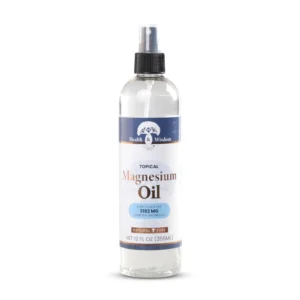
Magnesium Oil USP
- Price range: $11.99 through $84.99
- Select options This product has multiple variants. The options may be chosen on the product page
-
-
-
- Magnesium
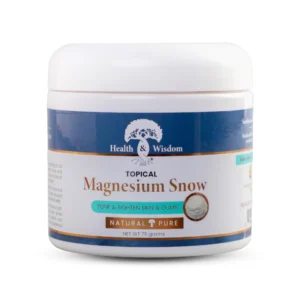
Magnesium Snow, USP
- Price range: $19.99 through $35.99
- Select options This product has multiple variants. The options may be chosen on the product page
-